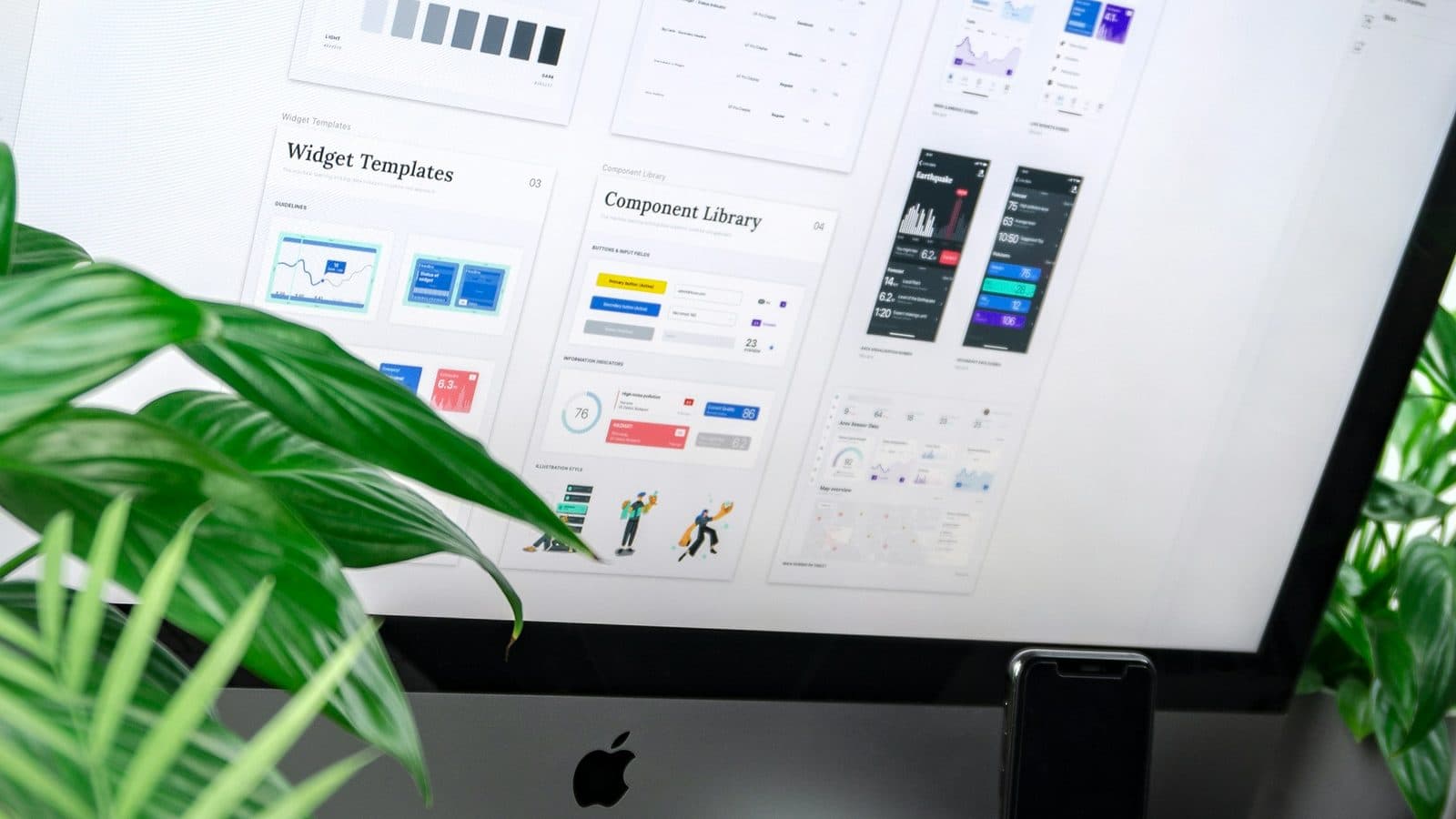
Best Web Development Services in Kashmir for Small Businesses

A shawl trader in Lal Chowk once showed me his website on my phone. It took eleven seconds to load, the phone number was three years out of date, and the contact form went to an email address nobody had opened since the developer set it up. He had paid ₹35,000 for it. He assumed it was working, because nobody had told him otherwise.
That site wasn't cheap. It was free to build and expensive to own — the worst combination there is, and by far the most common one in the valley.
This is a guide to avoiding that outcome. Not a listicle of ten agencies, and not a pitch dressed up as advice. It's the same walk-through I give a small business owner who sits across from me and asks a simple question: what should I actually buy, from whom, in what order, and how will I know whether it worked?
I've been building websites and software for businesses here since 2018 — manufacturers, retailers, travel operators, schools, clinics, food brands. Some of those builds were ₹30,000 brochure sites. Some were multi-year software platforms. The lessons that matter most for a small business turn out to be the same either way, and almost none of them are about code.
If you already know what you want built and just need pricing, skip to what it should cost. If you're at the very start — not even sure whether you need a website, a store or an app — read on from here.
At a glance
- "Web development services" is a menu, not a product. A small business rarely needs all of it. Buying the wrong item first is the most expensive mistake available to you.
- Your first website's job is to convert search traffic into enquiries — not to win a design award. Judge every proposal against that sentence.
- In Kashmir, roughly four out of five visitors arrive on a mid-range Android phone on mobile data. If a proposal doesn't lead with mobile performance, it wasn't written for your market.
- Local search is where small-business money is. A complete Google Business Profile plus a fast, location-relevant site beats a beautiful site that nobody finds.
- Realistic 2026 budgets: ₹25,000–₹70,000 for a solid small-business site, ₹60,000–₹1,80,000 for a custom build, ₹35,000–₹1,50,000 for a first online store, plus ₹1,500–₹6,000 a month to keep it alive.
- Ownership is non-negotiable. Domain, hosting, code, analytics — all in your name, from day one.
- The best service is the one that says no to something. A provider who agrees to every request is padding an invoice or setting up a disappointment.
- Launch is the start of the work, not the end. Sites that earn money are the ones that get updated after handover.
- A three-page site that loads in a second and ranks locally beats a twelve-page site that does neither. Every time.
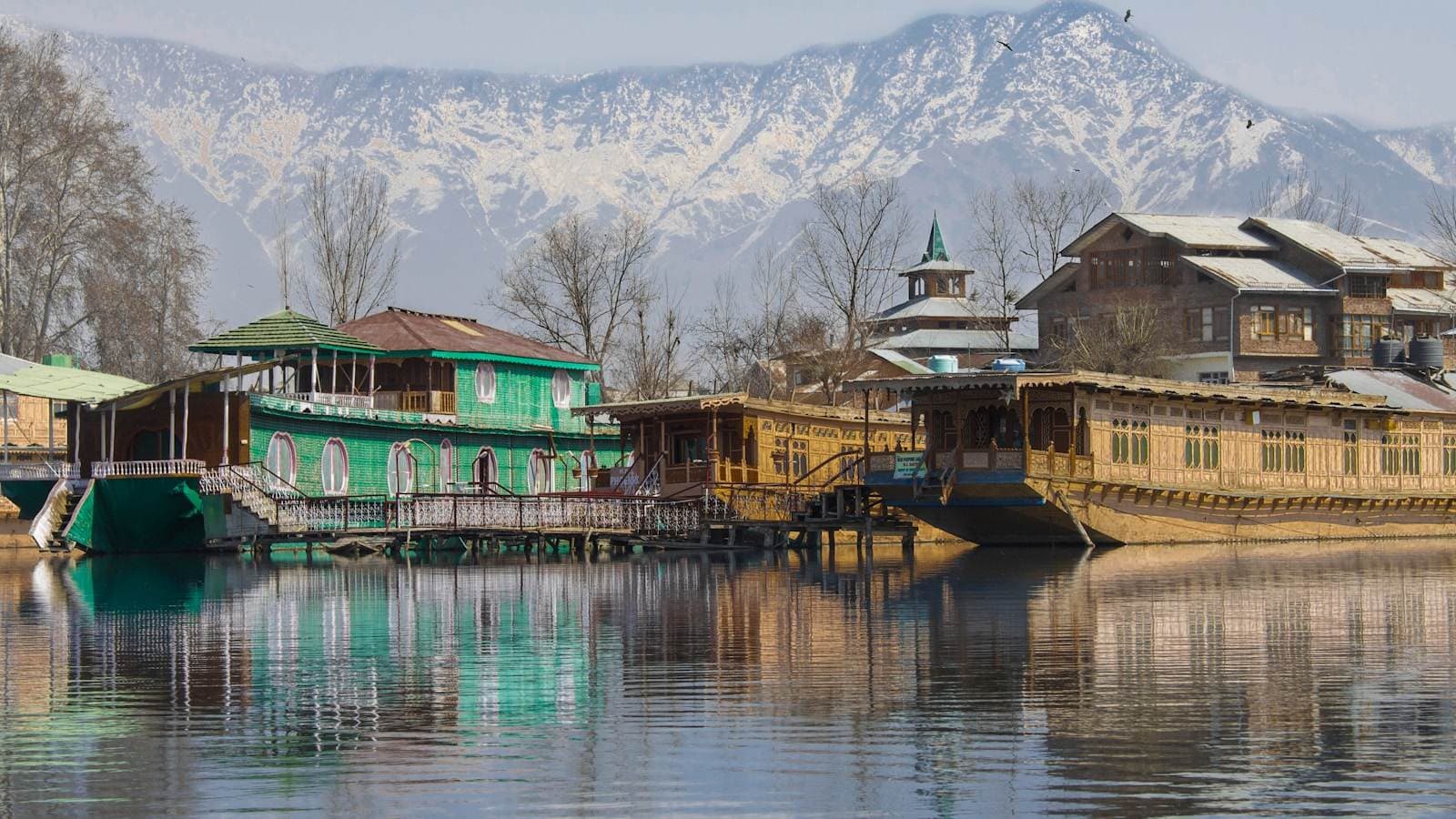 Dal Lake houseboats below the mountains — the valley's business seasons, connectivity and buying habits all shape what a website here has to do
What "web development services" actually includes
Most people asking for the best web development services in Kashmir are picturing one thing: a website. But what's on offer is a menu of six fairly different disciplines, and the difference between a good outcome and a wasted budget is usually just knowing which one you're buying.
1. Web application development
This is the core of it — the site or application itself. At the simple end, a marketing site: pages, a blog, a contact form, a gallery. At the serious end, something that does work — bookings with real availability rules, customer logins, dashboards, quote calculators, membership areas.
The distinction matters because pricing, timeline and skill requirements change completely between them. A brochure site is a design-and-content exercise. An application is software. When I talk about web application development, I mean both ends of that spectrum, built on the same modern foundation so the first can grow into the second without a rebuild.
2. Ecommerce development
Selling online is its own discipline: catalogue structure, variants, payment gateways, shipping rules, COD handling, returns, abandoned-cart recovery, inventory sync. Kashmir has an unusual advantage here — genuinely differentiated products that people outside the valley actively search for, from pashmina and walnut wood to saffron and dry fruit — and an unusual disadvantage in fulfilment logistics. I've written the full playbook in ecommerce website development in Kashmir, including which of the four store types you're actually building.
3. Custom software development
When your business runs on WhatsApp threads, three spreadsheets and someone's memory, a website won't fix it. Custom software will — inventory, billing, job tracking, school administration, patient records, dispatch. GOC Inventory Management was exactly this: not a website question at all, but an operations question that happened to need a web interface. If you're unsure which side of the line you're on, signs you need custom software is the shorter test.
4. Mobile application development
Almost every small business that asks me for an app needs a fast, installable mobile website instead — it costs a fraction, it's discoverable in Google, and it doesn't require anyone to download anything. Mobile app development becomes the right answer when you need push notifications, offline use, device hardware, or a genuinely repeat-use product. The honest comparison is in website vs mobile app.
5. Digital marketing
A website with no traffic is a signboard in a locked room. Digital marketing — SEO, local search, paid ads, content, email — is what turns a built site into a working one. For most small businesses in the valley, local SEO alone delivers more than any other single line item, and it costs less than ads.
6. Graphic design and brand
Logo, colours, typography, product photography, packaging, social templates. Under-valued, and it compounds: the same website with real photography and a coherent identity converts noticeably better than one with stock images and a logo made in a free generator. Design work is usually the cheapest credibility you can buy.
You can see how all six fit together on the services overview — but the more useful question is which one you need first.
 Inside a small retail store — most valley businesses need presence and enquiries before they need anything sophisticated
What a small business in Kashmir actually needs first
Here's the sequencing I'd give almost any small business in the valley, and it holds whether you sell carpets, run a clinic or operate a fleet of taxis.
| Your stage | What you need first | What you can safely postpone |
|---|---|---|
| No online presence at all | Google Business Profile + a fast 4–6 page site with clear enquiry paths | Blog, ecommerce, app, automation |
| Site exists but generates nothing | Speed fix, local SEO, rewritten service pages, working forms with tracking | A redesign, a rebrand, paid ads |
| Steady enquiries, want more | Content and local SEO programme, review generation, landing pages | Custom software, app |
| Selling offline, want online orders | Ecommerce build sized to your real catalogue | Marketplace expansion, multi-currency |
| Operations breaking under growth | Custom software or automation | A prettier website |
| Multiple locations or franchise | Location pages, structured data, a proper CMS | Anything else |
Two patterns repeat so often they're nearly laws.
Nobody needs twelve pages to start. A home page, one page per service, an about page that establishes you're a real business run by real people, and a contact page with a map and a phone number that works. That's it. Pages you can't keep updated actively hurt you.
Almost everybody underspends on content and overspends on design. The words on your service pages are what rank, what persuade, and what get quoted back to you on a phone call. A beautiful site with placeholder copy is a very expensive brochure with nothing written in it.
The five things that separate a working site from a pretty one
Every proposal will promise "responsive design" and "SEO-friendly". Both phrases are close to meaningless now. Here's what actually determines whether your website earns anything.
1. It's fast on a real phone on real mobile data
Not fast on the developer's laptop over office fibre. Fast on a three-year-old Android in a market street with two bars of signal. That means small images in modern formats, minimal third-party scripts, no bloated page-builder markup, and fonts that don't block rendering.
Ask for a target and get it in writing: Lighthouse mobile performance of 90+, Largest Contentful Paint under 2 seconds. These are measurable, and anyone serious will commit to them without flinching. The connection between speed and revenue isn't theoretical — every additional second of load time costs you a share of visitors who simply leave, and Google has used page experience as a ranking input for years.
 A visitor checking a business on their phone while a laptop sits open beside them — the mobile experience is the actual experience for most of your traffic
2. It's built to be found locally
For a small business, "SEO-friendly" concretely means: a complete and verified Google Business Profile, name-address-phone details identical everywhere they appear, location-relevant pages with real content, LocalBusiness structured data, genuine reviews accumulating steadily, and unique page titles and descriptions that a human would click.
That's it. Anyone selling you something more complicated before that foundation is done is selling you the wrong thing. Work through the Srinagar local SEO checklist first, then think about the longer game in the 12-month SEO roadmap. If you want the mechanics of ranking specifically for valley searches, how Kashmir businesses rank on Google covers it.
3. Enquiries actually reach you — and you can prove it
I audit a lot of existing sites, and broken lead capture is the single most common fault. Forms posting to an abandoned inbox. WhatsApp buttons with a digit missing. No spam protection, so real enquiries drown in bot submissions. No tracking, so the owner has no idea whether the site produces two leads a month or twenty.
A working enquiry path means: the form validates properly, it emails you and stores the lead somewhere permanent, it confirms visibly to the visitor, WhatsApp and phone links are tested on an actual phone, and every submission is tracked as a conversion in analytics. Without that last part you're guessing, and guessing is how marketing budgets get spent badly for years.
4. You can update it yourself
If changing a price, adding a product or posting a notice requires emailing your developer and waiting three days, your website will quietly go stale — and stale sites stop ranking. A proper content management layer is not a luxury add-on; it's the difference between an asset and a monument.
Ask to see the editing interface during the sales conversation, not after handover.
5. You own every part of it
Domain registered in your business's name, on your account. Hosting in your name. Code in a repository you can access. Analytics under your Google account. Google Business Profile owned by you with your developer added as a manager, not the other way round.
This sounds pedantic until the day a relationship ends badly, and then it is the only thing that matters. Recovering a domain from an uncooperative or unreachable holder is somewhere between tedious and impossible. What separates a professional web developer from a cheap one goes deeper on why this comes up so often.
Kashmir-specific realities most proposals ignore
Generic web advice is written for markets that don't look like ours. A handful of local realities should visibly shape any proposal you accept.
Connectivity is uneven and occasionally interrupted. Build light. A site that degrades gracefully on a weak connection keeps working on days when a heavier one doesn't.
Traffic is overwhelmingly mobile. Design and test at 360px width first. If someone shows you desktop mockups and treats mobile as an afterthought, they have the priority exactly backwards.
Business here is seasonal. Tourism peaks and troughs, wedding season, harvest cycles, exam calendars, Ramadan. Your site should be plannable around those peaks — which means a CMS you can use yourself and campaign pages you can spin up without a developer.
WhatsApp is a primary sales channel, not a support fallback. Click-to-chat with a pre-filled message, on every page, tested. For a large share of valley customers it is the contact form.
Trust has to be earned visibly. Real photographs of your premises and team, a real address, a real phone number, GST or registration details, genuine reviews. Buyers here are rightly cautious about businesses that look anonymous.
Some of your audience reads Urdu or Kashmiri more comfortably than English. Full bilingual builds are rarely worth it early, but a language-appropriate WhatsApp response and clear, plain English on the site both are.
Your competitors are mostly bad at this. That's genuinely good news. In most local categories, a fast site with complete information and forty honest reviews will outrank businesses many times your size, because they haven't done the basics either. Web development trends in Kashmir covers where that advantage is heading.
 A discovery conversation across a desk — the questions asked before any design work happen to be the ones that decide whether the project succeeds
How to evaluate a web development service: a ten-point scorecard
Score any provider — me included — out of ten. Under seven, keep looking.
| # | What to check | What good looks like |
|---|---|---|
| 1 | Discovery | They ask about your business, customers and goals before mentioning technology or price |
| 2 | Relevant work | Live sites you can open, ideally in a comparable industry — not screenshots |
| 3 | Performance commitment | A written mobile Lighthouse and load-time target |
| 4 | Content plan | They tell you who writes the copy and what happens if it isn't ready |
| 5 | Ownership terms | Domain, hosting, code and analytics in your name, stated in the proposal |
| 6 | Editing | A CMS demo, before you sign |
| 7 | Maintenance | A named ongoing plan with a monthly price, not a vague "we'll be around" |
| 8 | Tracking | Analytics, Search Console and conversion tracking included as standard |
| 9 | Communication | A single named person, an agreed response time, a written scope |
| 10 | Honesty | At least one moment where they talk you out of something |
That last row is the one I'd weight double. The most useful thing a provider can tell you is which part of your request is a bad idea — and the willingness to lose a line item is the clearest signal you'll get about whose interests are being served.
If you're weighing a solo developer against a company, freelancer vs web development company lays out the honest trade-offs, and web development companies in Kashmir covers how to read a local shortlist. If you're wondering whether to hire locally at all, why a local developer often outperforms a distant agency makes the case — and names the cases where it doesn't hold.
What good web development actually costs in Kashmir in 2026
Prices vary enormously, mostly for bad reasons. Here are honest ranges for competent work, matching the detailed breakdown in what a website costs in Kashmir in 2026.
| What you're buying | Realistic range | What's included |
|---|---|---|
| Starter business site (4–6 pages) | ₹25,000 – ₹45,000 | Mobile-first design, CMS, contact + WhatsApp, basic on-page SEO, analytics |
| Growth site (8–15 pages) | ₹45,000 – ₹90,000 | Custom design, service and location pages, blog, structured data, lead tracking |
| Custom build / web application | ₹60,000 – ₹1,80,000+ | Bespoke design and functionality, integrations, logins, dashboards, custom workflows |
| Starter online store | ₹35,000 – ₹70,000 | Up to ~50 products, one payment gateway, shipping rules, WhatsApp integration |
| Growth store | ₹70,000 – ₹1,50,000 | Variants, custom design, reviews, cart recovery, full ecommerce analytics |
| Ongoing care | ₹1,500 – ₹6,000 / month | Hosting, updates, backups, security, monitoring, small content edits |
| SEO / marketing retainer | ₹8,000 – ₹30,000 / month | Content, local SEO, link building, reporting |
Three things worth knowing about these numbers.
Below about ₹20,000, someone is losing money on you — and they'll recover it by using a stock theme, skipping content, skipping testing, and disappearing after handover. That's not a bargain; it's a deferred cost.
Page count is a poor pricing basis. Scope, integrations, design depth and content volume drive real cost. "Unlimited pages" in a quote is a marketing phrase, not a benefit.
The lines most often missing from a quote are content writing, photography, ongoing maintenance and any third-party subscriptions. Ask explicitly. A quote that omits them isn't cheaper, it's incomplete.
 Payment details entered on a laptop — pricing conversations go better when both sides talk about three-year cost, not just the build invoice
What a good six-week build looks like
Transparency about process is one of the easiest ways to tell a professional operation from an improvised one. Here's a realistic small-business timeline.
Week 1 — Discovery and structure. Your business, customers, competitors and goals. Keyword research to decide what pages must exist. Sitemap and page-by-page outline agreed in writing. Nothing visual yet, and that's deliberate: design decided before strategy is decoration.
Week 2 — Content and design direction. Copy drafted for every page, because designing around real words produces a different and better layout than designing around lorem ipsum. Visual direction agreed on the home page and one inner page rather than all of them.
Weeks 3–4 — Build. Pages built mobile-first, component by component. Performance measured continuously rather than at the end. CMS wired so you can edit everything you'll realistically want to edit.
Week 5 — Integrations and SEO. Forms, WhatsApp, maps, payments if relevant. Metadata, structured data, sitemap, robots, analytics, Search Console, conversion tracking. Speed pass on real devices.
Week 6 — Review, training and launch. You review on your own phone, not a screenshot. Fixes applied. A short training session so you can edit confidently. Launch, then monitoring for the fortnight afterwards.
Where projects actually slip is almost never development speed — it's content and approvals coming back slowly from the client side. Businesses that have their photos, service descriptions and team details ready before week one routinely finish early.
 Code on screen mid-build — the part clients see least and pay for most, which is exactly why the process around it has to be visible
What changes by industry
The fundamentals are constant; the priorities aren't. A quick read on the sectors I work with most across the valley — the full list is on the industries page.
Retail and ecommerce. Product photography is the highest-leverage spend you have, ahead of design. Catalogue structure determines whether people find things. COD handling and honest shipping timelines determine whether they order twice. See retail and ecommerce.
Travel and hospitality. Enquiry speed wins bookings; the operator who replies in ten minutes gets the trip. Itinerary pages, seasonal packages, real photographs, and reviews everywhere. EarthWalker, a travel portal with role-based logins and custom search, is one answer to that market — see travel and hospitality.
Healthcare. Trust and clarity above all: credentials, timings, location, and a booking or callback path that works on a phone in one hand. Privacy handling matters more than it does anywhere else. More in healthcare.
Education. Admissions calendars, notices, results, downloadable forms, and a CMS the office staff can genuinely operate. BHSS Tral and GHSS Anantnag are two school sites built exactly that way — see education.
Manufacturing and B2B. Buyers are researching capability, capacity and credibility, often for a large order. Detailed product and process pages, certifications, and a serious enquiry path beat consumer-style design. Al-Karam Group / Aibak Electric Industries is the reference build.
You'll find the rest of the portfolio here and deeper write-ups in the case studies.
After launch: the part that decides your return
A website is not furniture. The businesses that make money from theirs treat launch as day one of an ongoing programme, and the programme is not complicated.
Monthly, non-negotiable: software and security updates, backups verified by actually restoring one occasionally, uptime monitoring, a check that forms still deliver, and a look at Search Console for errors.
Monthly, high-return: one useful page or article aimed at a real question your customers ask; two or three new Google reviews requested from happy customers; your Business Profile refreshed with photos and a post.
Quarterly: a performance re-test on a real phone, a review of which pages bring enquiries and which bring nothing, and one improvement to the highest-traffic page.
The five numbers to actually watch: organic sessions, enquiries per month, enquiry-to-customer rate, mobile load time, and Business Profile calls and direction requests. Everything else is interesting; these five are decisive.
If you want a quick external read on where your site currently stands, run it through the free website authority checker before you talk to anyone.
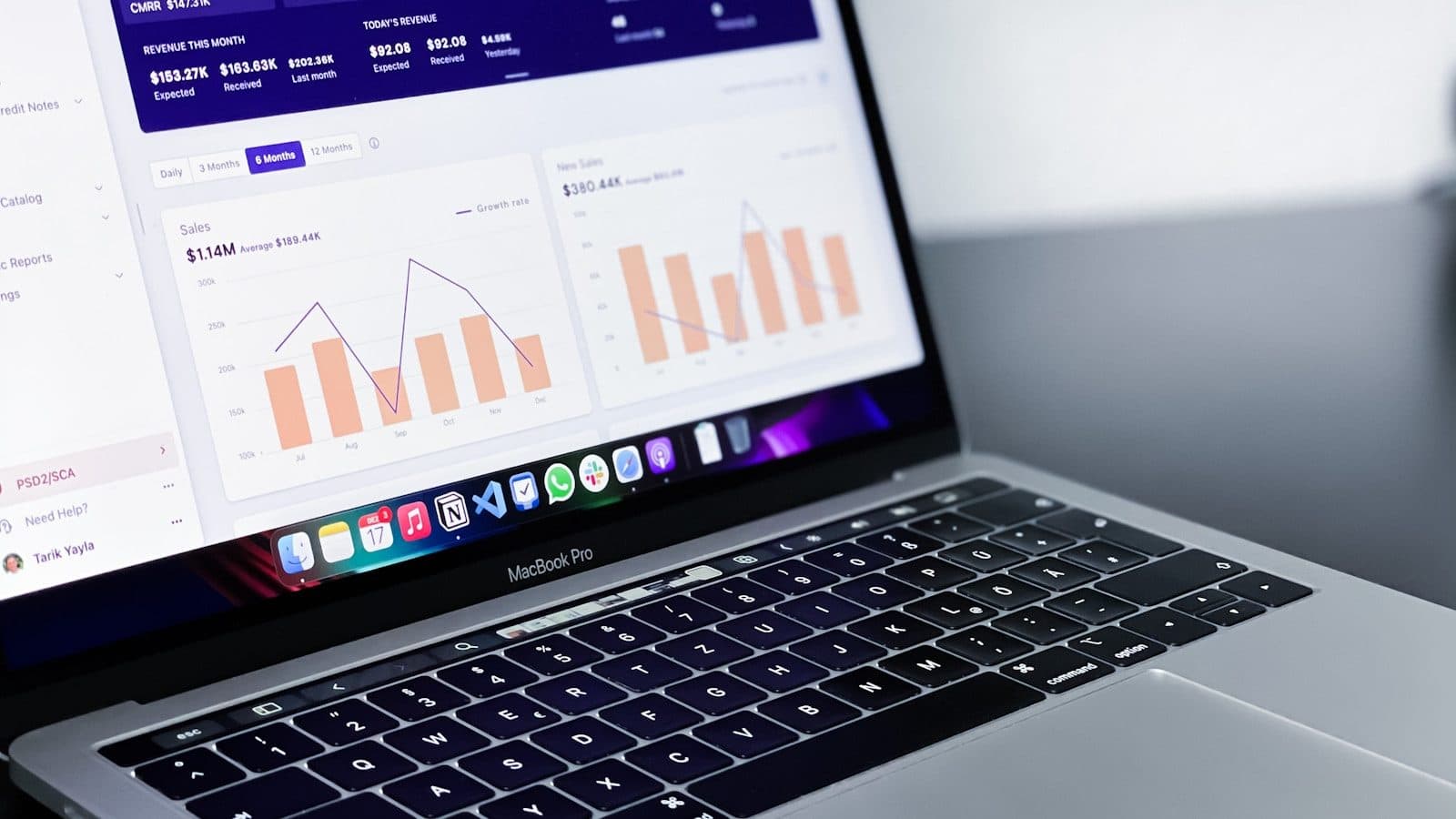 Reviewing performance together after launch — the reporting rhythm matters more than the launch-day screenshot
Red flags in a proposal
Slow down if you see any of these.
- A price before a conversation. A number quoted before anyone understood your business is a template, not a proposal.
- A guarantee of first-page rankings, especially with a deadline. Not deliverable by anyone. Realistic timelines are in the SEO roadmap.
- "Unlimited pages, unlimited revisions." Both signal a scope nobody intends to define, which ends badly for whoever has less patience.
- No mention of maintenance. The quote is incomplete and you'll discover the rest later.
- The developer holding your domain or hosting. Walk away. This is not negotiable.
- A portfolio of screenshots with no live links. Open the sites. Test them on your phone. Check whether they still exist.
- No named person. "The team will handle it" means nobody in particular is accountable.
- Design-first, strategy-never. If nobody has asked what a visitor should do on each page, nobody has planned for you to get enquiries.
- A stack recommendation before discovery. WordPress or custom decided in advance is a default, not advice — the reasoning belongs in custom website vs WordPress, or build vs WordPress vs no-code if you're weighing builders too.
- Pressure to decide today. Discounts that expire in 24 hours are a sales technique, not a business reality.
How I work, and what you actually get
I'm one person, not an agency, and that's a deliberate structure rather than a stage I'm hoping to grow out of. It means the person who scopes your project is the person who builds it and the person who answers when something breaks at 9pm — no account manager relaying requirements to a developer who never spoke to you. It also means I take on a limited number of projects at a time and will tell you when I'm the wrong fit. More about that on the about page.
Every build I ship includes, as standard rather than as upsells:
- Discovery before design — your customers, your competitors, the searches that matter, and the single job the site must do.
- Mobile-first construction tested on real devices, held to a written performance target.
- A CMS you're trained to use, so your site doesn't go stale.
- SEO foundations built in — metadata, structured data, sitemap, robots, internal linking, Search Console and analytics with conversion tracking configured.
- Lead capture that's tested and stored, with WhatsApp and phone paths verified on a phone.
- Full ownership of domain, hosting, code and accounts, in your name from day one.
- Post-launch support for the first month included, and a clear ongoing plan if you want one after that.
Because I also do digital marketing and design, the site doesn't get handed across a gap between disciplines — the SEO structure, the content and the visual identity are decided together, by the same person, in the same week. That's the actual argument for a hybrid developer over a bigger, more compartmentalised team, and it's why my clients tend to stay for years rather than for one project. Their words are on the testimonials page.
 Two people working through a project together — the best predictor of a good outcome is a single accountable person who understands the business
Frequently asked questions
What are the best web development services in Kashmir for a small business? For most small businesses, the right package is a fast, mobile-first website of four to eight pages, built on a CMS you can edit, with local SEO foundations, tracked enquiry forms and WhatsApp integration — plus a maintenance plan. That combination, done properly, outperforms a larger and more expensive build almost every time. Evaluate providers on the ten-point scorecard above rather than on the size of their portfolio, and insist on live links to work you can open on your own phone.
How much should a small business website cost in Srinagar? A well-built starter site runs ₹25,000–₹45,000, a growth site ₹45,000–₹90,000, and a custom build ₹60,000–₹1,80,000 or more depending on functionality. Budget ₹1,500–₹6,000 a month for hosting, maintenance and security on top. Below roughly ₹20,000, corners are being cut somewhere you'll pay for later. Full breakdown in what a website costs in Kashmir in 2026.
How long does it take to build a small business website? Four to eight weeks is normal for a well-scoped marketing site: about a week of discovery and structure, a week of content and design direction, two to three weeks of build, and a week for integrations, SEO and testing. Ecommerce and custom applications take longer. The single biggest variable is how quickly your content, photographs and approvals come back — clients who prepare those in advance routinely finish ahead of schedule.
Will my website actually bring me customers? Only if it's built to be found and built to convert. A site with no local SEO foundation, no content and no tracked enquiry path will sit there quietly for years. A fast site with a complete Google Business Profile, genuine reviews, real service pages and working forms starts producing enquiries within a few months and compounds from there. The build is maybe 40% of the outcome; being findable and being credible are the rest.
Do I need a custom website or is WordPress fine? WordPress is genuinely the right answer when content is your product, your budget is tight, you need to launch fast and someone will maintain it. Custom wins when your site has logic in it — bookings, portals, calculators, integrations — when performance is a competitive advantage, or when the experience is part of the brand. I recommend both, depending on the situation; the full reasoning is in custom website vs WordPress.
Can you redesign or fix a website someone else built? Yes, and it's a frequent request. It starts with an audit: what's slow, what's insecure, what's broken, what's costing you rankings, and whether improving it is more economical than rebuilding. Sometimes two days of fixes recover years of neglect, and when that's the case I'll say so rather than quoting a rebuild. Where a rebuild is genuinely warranted, the migration is done with a one-to-one redirect map so rankings hold.
Do I need an app as well as a website? Usually not yet. A fast, installable mobile website does nearly everything an app would for a small business, at a fraction of the cost, and it's discoverable in search — an app isn't. Apps earn their keep when you need push notifications, offline functionality, device hardware, or genuine repeat daily use. The full comparison is in website vs mobile app.
What ongoing work does a website need after launch? Monthly updates, backups, security checks and uptime monitoring at minimum. Beyond that, the work that generates return is content and reviews: one useful page a month, a handful of new Google reviews, and a Business Profile that's actively maintained. Quarterly, re-test performance and review which pages produce enquiries. Sites that receive this attention keep climbing; sites that don't slowly slide.
How do I know whether my website is working? Five numbers: organic sessions, enquiries per month, enquiry-to-customer rate, mobile load time, and calls plus direction requests from your Google Business Profile. If your provider can't show you those, either tracking was never configured or the results aren't good. Ask for a monthly one-page report in plain language — not a raw analytics export.
Do you work with businesses outside Kashmir? Yes. A good part of my work is for clients elsewhere in India and abroad, and the process is identical — it just runs over calls rather than across a desk. Being based in Srinagar means local clients get the option of meeting in person, and that everything I build is designed for the connectivity and device realities we have here, which is a useful discipline anywhere.
What if I don't have content, photos or a logo yet? That's the normal starting position, not a problem. Content can be drafted from interview conversations, photography can be planned and scheduled into the timeline, and brand identity can be built alongside the site. What matters is deciding early who's responsible for each, because "we'll sort the content later" is the single most reliable way to delay a launch by two months.
 Support and handover after launch — the relationship after the invoice is what separates a website that keeps working from one that quietly rots
The short version
The best web development service for your small business is not the cheapest, the biggest, or the one with the flashiest portfolio. It's the one that:
- asks about your business before it talks about technology;
- builds fast and mobile-first, and commits to a number;
- gets you found locally before it gets clever;
- makes sure enquiries reach you and can be proven;
- hands you full ownership of everything;
- tells you honestly which parts of your wish list to skip;
- and is still around, and still accountable, six months after launch.
If a proposal in front of you covers those seven, you're in good hands whoever wrote it. If it doesn't, no amount of visual polish will make up the difference.
And if you'd like a straight, specific answer for your own business rather than a general one — tell me what you do and who you sell to, and I'll come back with what I'd build first, what I'd deliberately leave out, roughly what it costs over three years, and what I'd expect it to produce. If your money would be better spent on photography and reviews than on a new website this quarter, I'll tell you that too.
Ready sooner than that? Request a quote with your requirements, browse what I build and the work behind it, or start with the free website authority checker to see where you stand today.
Owais Noor
Full-Stack Developer & Digital Marketer, based in Srinagar. I write about building fast, useful websites and software — and getting them found.